Additional Information
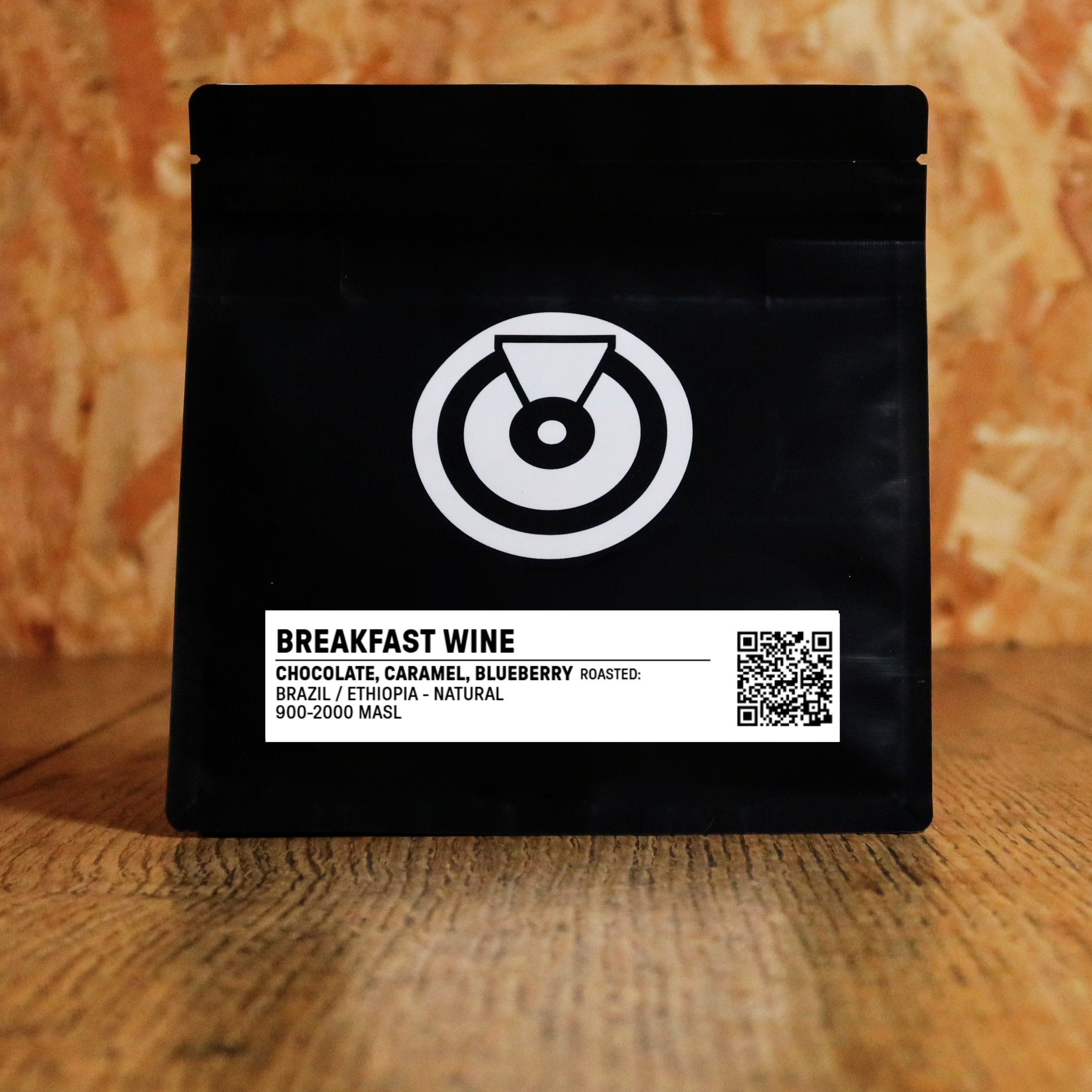
A perfect blending of Brazilian coffee and Colombian Coffee give us a syrupy bodied coffee with tastes of chocolate and citrus fruits. Works great as a crowd pleasing espresso or a full bodied and sweet filter coffee.
Fazenda Pinhal - Brazil
Fazenda Pinhal is a 914-hectare farm situated close to San Antonio De Ampoaro in Sul De Minas. The farm belongs to the Gabarra Teixeria Family who acquired the farm in 1994. The farm is only planted with 296 ha coffee (33% of the farm) with the rest of the land been left with natural reserve, Eucalyptus Forest and pasture land for cows.
In 2019 the farm won the award for Brazil's most sustainable coffee farm and in 2019 they installed solar panels which now supplies 100% of their energy usage.
On the farm, they have also started a bird sanctuary to help rehabilitate and care for injured birds and have coordinated research programs with the local universities and student thesis.
The welfare of their employees is very important to them with providing dental care plans in 2018 and now researching with a local university on ways to make the working environment more sustainable for their employees and preventing occupational injuries.
Wuchii - Colombia
Wuchii is Siruma's gateway to specialty coffee, created to expand our specialty horizon by supporting more growers through ongoing workshops and farm visits. These initiatives are designed to strengthen farmers’ skills so they can consistently harvest better coffee.
Caficauca supplies The Cooperativa de Caficultores del Cauca (Caficauca) which was founded in 1961 with the purpose of providing fair and accessible market opportunities for growers. Today, it has more than 3,000 members, with an average farm size of 1.6 hectares. The Regional “Wuchii,” meaning the winged one, is a symbol of flight and a totem for the rich biodiversity found in Colombia’s coffee landscapes. The Wuchii lots selected by Siruma are composed of contributions from an average of 85 growers per lot. Their coffees are fully washed, with fermentation lasting 16–19 hours, followed by drying in parabolic solar dryers for around 10 days until the target moisture content is achieved.
The coffee is grown in Piendamó, Cajibío, and Morales, an area often referred to as the Tabletop of Cauca. These towns offer excellent coffee-growing conditions, with elevations of 1,800–2,050 masl, fertile soils, and a strong coffee-based economy. However, this prosperity has come at a cost. Since the 1970s, the region has been deeply affected by armed conflict, forcing many landowners to cultivate illicit crops. Coffee has existed as a parallel economy, constantly clashing with these illicit activities, yet remaining a vital source of resilience and progress for the community.